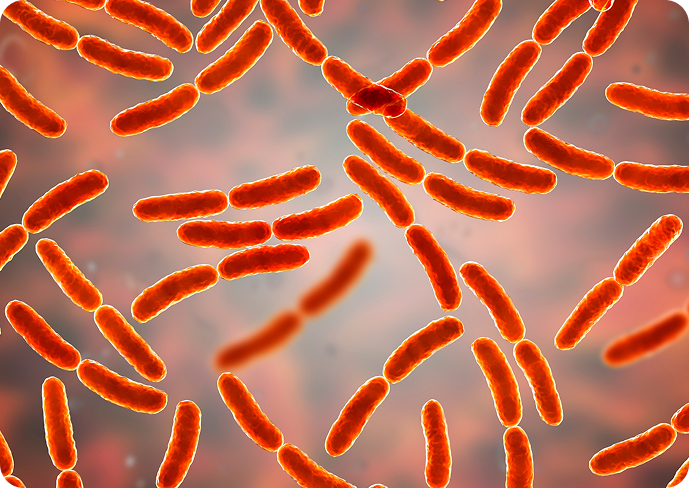



Strains

Conviction comes from verifying the Strain Number.

Strain Number HP7

The information provided is general academic and patent-related content concerning the raw material and does not describe the efficacy or effects of any specific product.Strain Numbers are assigned by hy in accordance with internal Strain management and naming standards, following the identification of Strain characteristics through in-house research.
Strain Information
TypeNotified Probiotics
Functional
Properties
May help promote the growth of beneficial bacteria, inhibit harmful bacteria, support regular bowel movements, and contribute to gut health
SpeciesLacticaseibacillus paracasei
StrainHP7
OriginKimchi
CertificationsKMF Halal certification
Distinct Characteristics of the Strain
Strain Number HP7
The notified probiotic Strain Number HP7
is a beneficial microorganism that may help promote the growth of beneficial bacteria, inhibit harmful bacteria, support regular bowel movements, and contribute to gut health.
The notified probiotic Strain Number HP7
is a beneficial microorganism that may help promote the growth of beneficial bacteria, inhibit harmful bacteria, support regular bowel movements, and contribute to gut health.
At hy Research Center, Strain Numbers are assigned in accordance with internal management standards, and continuous research is conducted on the various efficacies and characteristics of each Strain.At hy Research Center, Strain Numbers are assigned
in accordance with internal management standards, and continuous research is conducted on the various efficacies and characteristics of each Strain.
Research on the Strain
The hy Research Center is conducting research on the functional properties of Strain Number HP7.Understanding Strain-specific capabilities, even within the same probiotic species, is key to hy’s mission to become a leader in microbiome science. Explore the current research on Strain Number HP7.
Research Papers on Strain HP7

[SCIE] A Study on the Inhibitory Effects of L. paracasei  HP7 on Helicobacter pylori and Improvement of Gastric Health

Probiotics are not only beneficial for gut health but may also be effective in inhibiting the proliferation of Helicobacter pylori, which attacks the gastric mucosa, and alleviating symptoms of gastritis.


In this study, we analyzed the changes caused by L. paracasei  HP7 derived from kimchi in gastric epithelial cells (AGS) and gastric tissues of a mouse model infected with H. pylori.


The results demonstrated the following functional properties of HP7:

  • Defense against H. pylori adhesion: Effectively blocked the initial infection process by preventing H. pylori from adhering to gastric epithelial cells (cell study)
  • Reduction in gastric inflammation (IL-8) levels: Suppressed the secretion of inflammatory cytokine interleukin-8 (IL-8) induced by H. pylori infection in gastric cells (cell study)
  • Inhibition of gastric bacterial colonization: Significantly reduced H. pylori density in the stomachs of infected mouse models (animal experiment - urease test)
  • Alleviation of gastric mucosal lesions and inflammation: Protected gastric health by reducing inflammation and mucosal damage (lesions) in gastric tissues caused by Helicobacter pylori (animal studies)
  • Potential as an alternative to antibiotics: Demonstrated potential as a promising material for managing H. pylori-related gastrointestinal diseases, addressing antibiotic resistance issues


Analyses using cells and animal models demonstrated that L. paracasei  HP7 directly inhibits the growth and adhesion of H. pylori and alleviates gastric inflammatory responses, which contributes to the prevention and improvement of gastric disorders such as gastritis.

The information provided is general academic and patent-related content concerning the raw material and does not describe the efficacy or effects of any specific product.
Research Papers on Strain HP7

[KCI] Study on the Inhibitory Effects of HP7 Probiotic Complex (HP7 + Perilla frutescens + Glycyrrhiza uralensis) on Helicobacter pylori and Gastric Protection

Probiotics are not only beneficial for gut health, but when combined with natural extracts, they may enhance gastric mucosal protection and effectively inhibit inflammation caused by Helicobacter pylori.


In this study, we analyzed the synergistic effects of a complex consisting of L. paracasei  HP7, Perilla frutescens extract (PFE), and Glycyrrhiza uralensis extract (GGE) on protecting gastric cells (KATO III) infected with H. pylori and gastric tissue in a mouse model.


The results demonstrated the following functional properties of the **HP7 complex (probiotic + perilla + licorice)**:

  • Restoration of gastric mucosal barrier (mucin): Significantly restored mucin gene expression reduced by H. pylori infection within 6 hours (cell study)
  • Powerful anti-inflammatory effect: Significantly reduced the levels of the inflammation-inducing factor TNF-α and demonstrated a superior effect (p < 0.05) compared to the control group (DGL) (animal study).
  • Regulation of immune response: Effectively suppressed elevated levels of specific antibodies (IgG) and inflammatory responses induced by H. pylori infection (animal study)
  • Improvement of gastric mucosal damage: Significantly reduced lesions and inflammatory cell infiltration in gastric mucosa caused by H. pylori (animal study)
  • Confirmed synergistic effect: Demonstrated increased inhibition of H. pylori and improved gastrointestinal symptoms when combined with PFE and GGE compared to probiotics alone


Analyses using cells and animal models demonstrated that the HP7 probiotic complex inhibits H. pylori growth and restore damaged gastric mucosal function, and showed strong synergistic potential for the prevention and treatment of gastritis and related gastrointestinal diseases.

The information provided is general academic and patent-related content concerning the raw material and does not describe the efficacy or effects of any specific product.
Research Papers on Strain HP7

[KCI] Study on the Cognitive Function Improvement and Memory Protection Effects of HP7 Probiotic Complex (HP7 + Portulaca oleracea)

Probiotics are not only beneficial for gut health but may also support brain health by preventing cognitive decline and regulating proteins associated with memory.


This study investigated how a complex of L. paracasei  HP7 and Portulaca oleracea (PO) extract (HP7A) affects protein levels associated with cognitive decline and behavioral indicators in a mouse model with scopolamine-induced memory decline.


The results demonstrated the following functional properties of the **HP7 complex (HP7A)**:

  • Increase in key memory factor (BDNF): More effectively increased the expression of brain-derived neurotrophic factor (BDNF), which is essential for neuronal growth and regeneration, compared to the administration of probiotics or purslane alone
  • Suppression of dementia-related substance (Aβ40): Strongly inhibited the expression of amyloid beta (Aβ40), a known contributor to cognitive decline such as Alzheimer’s disease
  • Recovery of learning and memory abilities: Most consistently alleviated cognitive impairment during the learning phase (days 2–5) in scopolamine-treated mouse models
  • Improvement in spatial memory: Demonstrated improved spatial memory, with the shortest escape latency in the Morris water maze test
  • Synergistic brain health effect: Demonstrated that the combination of probiotics (HP7) and PO is an optimal approach for preventing cognitive decline by regulating brain inflammation and oxidative stress


Experiments using animal models demonstrated that the HP7 probiotic complex significantly prevented and alleviated cognitive decline caused by aging or external stimuli by increasing neurotrophic factors and inhibiting the accumulation of toxic proteins.

The information provided is general academic and patent-related content concerning the raw material and does not describe the efficacy or effects of any specific product.
Research Papers on Strain HP7

[SCIE] A Study of the Improvement of Functional Dyspepsia (FD) and Regulation of Gastrointestinal Motility by L. paracasei  HP7

Probiotics are not only beneficial for gut health but may also be effective in improving chronic indigestion by promoting gastrointestinal peristalsis and supporting digestive enzyme secretion.


This study investigated the effects of L. paracasei  HP7 on gastrointestinal motility and digestion-related factors in a loperamide-induced functional dyspepsia (FD) mouse model.


The results demonstrated the following functional properties of HP7:

  • Promotion of gastric emptying and intestinal contraction: Reduced the amount of food (phenol red) remaining in the stomach, significantly increased intestinal transit rate, and relieved gastrointestinal stasis
  • Activation of peristalsis-related genes: Strengthened intestinal movement by inducing the expression of 5HT4 receptors, a key factor regulating gastrointestinal motility, and smooth muscle contraction-related proteins (Ano1, RyR3, smMLCK)
  • Restoration of digestive enzyme activity: Restored the activity of amylase, trypsin, and lipase, which is essential for the breakdown of carbohydrates, proteins, and fats, to normal levels.
  • Normalization of gastrointestinal hormones: Regulated key digestive hormones such as gastrin, GIP, and PYY, thereby restoring balance in the digestive system
  • A new alternative for functional dyspepsia: Demonstrated the ability to simultaneously address persistent idiopathic dyspepsia through both physical (motility) and biochemical (enzyme) mechanisms


Analysis using animal models demonstrated that L. paracasei  HP7 is an effective probiotic for alleviating symptoms of chronic indigestion by directly aiding gastrointestinal peristalsis and improving digestive efficiency.

The information provided is general academic and patent-related content concerning the raw material and does not describe the efficacy or effects of any specific product.
Research Papers on Strain HP7

[SCIE] A Study on the Improvement of Functional Dyspepsia (FD) and Strengthening of the Intestinal Barrier by Postbiotics L. paracasei  HP7

Probiotics may help improve digestive function by promoting gastrointestinal motility and strengthening the intestinal barrier, not only in their live form but also as heat-treated nonviable cells (postbiotics).


In this study, we analyzed the effects of heat-treated L. paracasei  HP7 (postbiotics) and its derived components (polysaccharides, surface proteins) on a functional dyspepsia (FD) mouse model and intestinal epithelial cells (Caco-2).


The results demonstrated the following functional properties of postbiotics HP7:

  • Promotion of gastric emptying and muscle contraction: Oral administration improved gastric emptying and significantly increased the expression of genes involved in gastric smooth muscle contraction (animal study)
  • Normalization of gastrointestinal hormones and digestive enzymes: Regulated major gastrointestinal hormones (GAS, GIP, PYY) and restored the activity of digestive enzymes such as amylase and trypsin (animal study)
  • Strengthened barrier function and tight junctions: HP7-derived functional ingredients (EPS, SLP) activated tight junction genes in intestinal cells and strengthened the intestinal barrier (cell study)
  • Suppression of inflammatory response: Protected the intestinal environment by reducing the expression of inflammation-related genes in intestinal cells exposed to inflammatory substances (LPS) (cell study)
  • Safe and effective postbiotics: Demonstrated that postbiotics and their components contribute to improving dyspepsia through multiple pathways, including motility promotion, barrier strengthening, and anti-inflammatory effects


Analyses based on animal and cell studies demonstrated that heat-treated HP7 is a highly stable postbiotic material that retains the efficacy of live bacteria, making it a promising alternative for the simultaneous management of chronic indigestion and gut health.

The information provided is general academic and patent-related content concerning the raw material and does not describe the efficacy or effects of any specific product.
Patents Associated with Strain HP7
Patent Registration No. 10-1823459

Lactobacillus paracasei HP7 having antimicrobial activity and co-aggregation ability against Helicobacter pylori and products comprising the same as an active ingredient

It strongly co-aggregates with H. pylori, inhibiting its adhesion to the gastric mucosa and promoting its removal. It also helps prevent gastritis and gastric ulcers through antimicrobial activity.

The information provided is general academic and patent-related content concerning the raw material and does not describe the efficacy or effects of any specific product.
Patents Associated with Strain HP7
Patent Registration No. 10-2857633

Lactobacillus paracasei HP7 supports gastrointestinal health with the prevention or improvement of functional dyspepsia and the uses thereof

It improves gastric emptying capacity and alleviates symptoms of functional dyspepsia by regulating gastrointestinal motility-regulating hormones (such as Gastrin) and neurotransmitter receptors (5-HT4R).

The information provided is general academic and patent-related content concerning the raw material and does not describe the efficacy or effects of any specific product.
Patents Associated with Strain HP7
Patent Registration No. 10-2404659

A composition containing the Lactobacillus paracasei HP7 strain for the prevention, improvement, or treatment of cognitive impairment and depression

It inhibits and protects against the death of neuronal cells in the brain, and can be used in preventing and treating cognitive impairment and depression.

The information provided is general academic and patent-related content concerning the raw material and does not describe the efficacy or effects of any specific product.
Patents Associated with Strain HP7
Patent Registration No. 10-2671740

Food composition containing Portulaca oleracea extract and Lactobacillus paracasei HP7 for improving cognitive function

It improves cognitive function by suppressing inflammation and amyloid beta accumulation when combined with Portulaca oleracea extract.

The information provided is general academic and patent-related content concerning the raw material and does not describe the efficacy or effects of any specific product.